

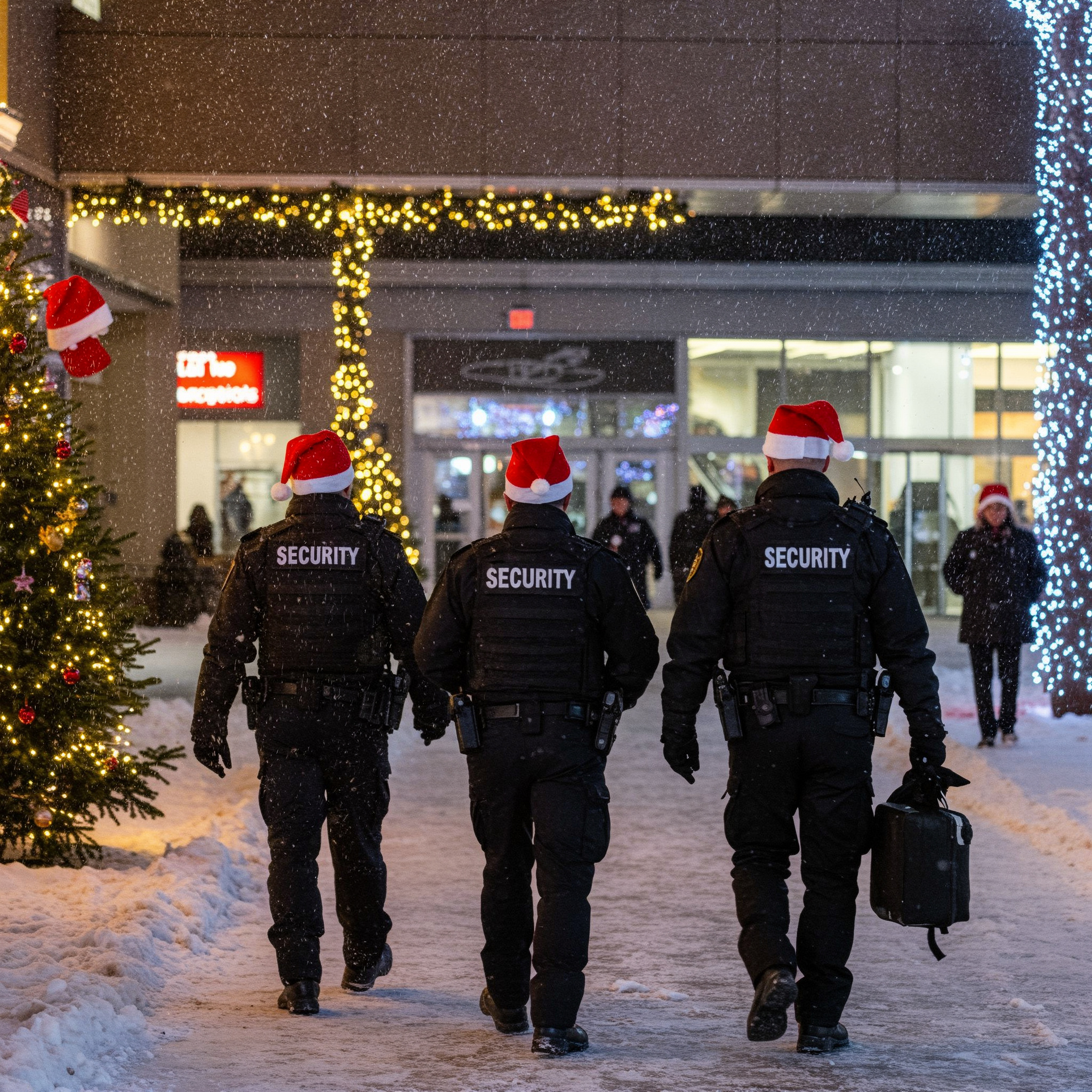
Christmas and New Year are often a welcome break for UK businesses. However, for premises that close or operate with reduced staff, the festive period can also bring increased security risks. Empty buildings, darker evenings and higher-value stock levels make businesses more attractive to opportunistic criminals.
According to the Office for National Statistics, theft and burglary offences typically rise during the winter months, with December and January among the highest-risk periods. With the right planning and professional support, however, businesses can significantly reduce their exposure during the festive shutdown.
Why the Festive Period Increases Security Risks in the UK
Several seasonal factors combine to make Christmas a vulnerable time for businesses.
Unoccupied premises
Many offices, warehouses and commercial sites close for several days over Christmas and New Year. Criminals are well aware of this and actively target premises that appear empty or poorly monitored.
Longer hours of darkness
In December, much of the UK experiences fewer than eight hours of daylight. Reduced visibility allows intruders to operate unnoticed, particularly where lighting or CCTV coverage is limited.
Higher stock and equipment levels
Retailers and logistics businesses often hold more stock during the festive period, while offices may still contain valuable IT equipment left behind during closures.
Seasonal rise in opportunistic crime
ONS crime data consistently shows an increase in theft offences during winter months, particularly where properties are left unattended for extended periods.
Step 1: Carry Out a Christmas Security Audit
Before closing your premises, a thorough security check is essential.
Check access points
Inspect doors, windows and access points for damage or weak locks. Many UK insurers require specific security standards when premises are unoccupied.
Test lighting and CCTV systems
Ensure all external lighting is operational and CCTV cameras are recording clearly. Well-lit, monitored premises are proven to be far less likely targets.
Secure valuable assets
Lock away laptops, tools, machinery and high-value stock. Portable items should be removed where possible.
Test alarm systems
Alarm faults discovered during closure can lead to unnecessary risk and disruption. Make sure you test all systems in advance.
Step 2: Strengthen Physical Security Measures
Small improvements can significantly reduce the likelihood of a break-in.
Improve exterior lighting
Motion-activated lighting helps deter intruders and supports CCTV footage during long winter nights.
Secure yards and external storage
Car parks, loading bays and storage areas are often targeted first. These areas should be locked, lit and regularly checked.
Use visible deterrents
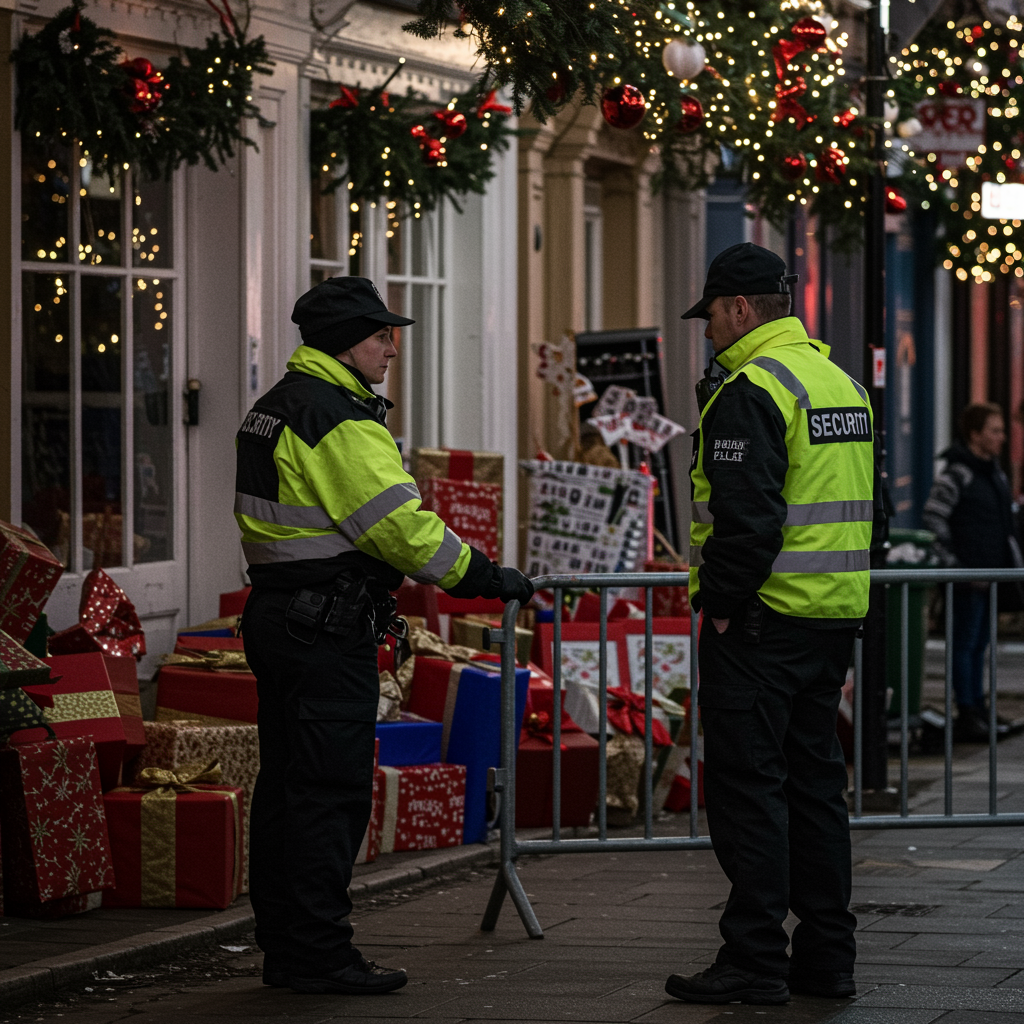
Clear signage stating CCTV monitoring, alarms or security patrols can discourage opportunistic criminals. Remember, Mobile patrols can provide a strong visible presence and regular site checks during closures
Step 3: Do Not Overlook Cyber Security
Physical security is not the only concern. Cyber crime also increases during the festive period.
The National Cyber Security Centre reports a rise in phishing and fraud attempts during December, often exploiting reduced staffing levels and holiday distractions.
Key steps include:
- Installing software updates and security patches before closing
- Restricting remote access to essential users only
- Reminding staff to remain vigilant when checking emails
UK guidance for businesses is available from the NCSC
Step 4: Use Professional Security Support During Shutdown
Professional security services provide reassurance and continuity when your premises are unoccupied.
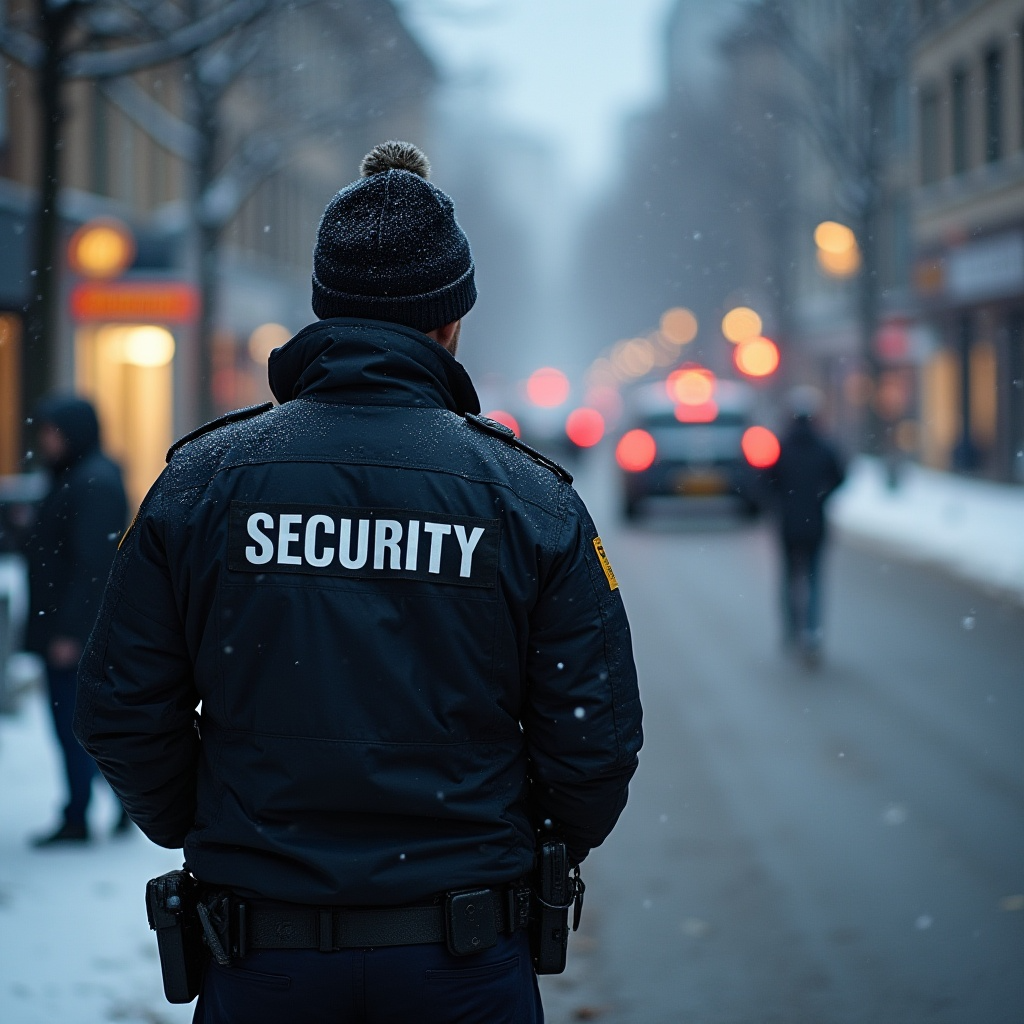
Security guards and mobile patrols
Regular patrols deter theft, vandalism and unauthorised access while ensuring rapid response if an issue occurs.
CCTV monitoring
Remote monitoring allows suspicious activity to be identified and acted on quickly.
Keyholding and alarm response
If an alarm is triggered, trained professionals can attend your site safely without putting staff or business owners at risk.
Step 5: Communicate Clearly With Your Team
Before closing, ensure everyone understands the security plan.
- Confirm keyholders and emergency contact details
- Review alarm procedures and access permissions
- Check insurance requirements for unoccupied premises
Clear communication reduces confusion and ensures faster response if something goes wrong.
Reopening After the Festive Period
When returning after Christmas and New Year:
- Inspect the premises for signs of damage or forced entry
- Test alarms, CCTV and access systems
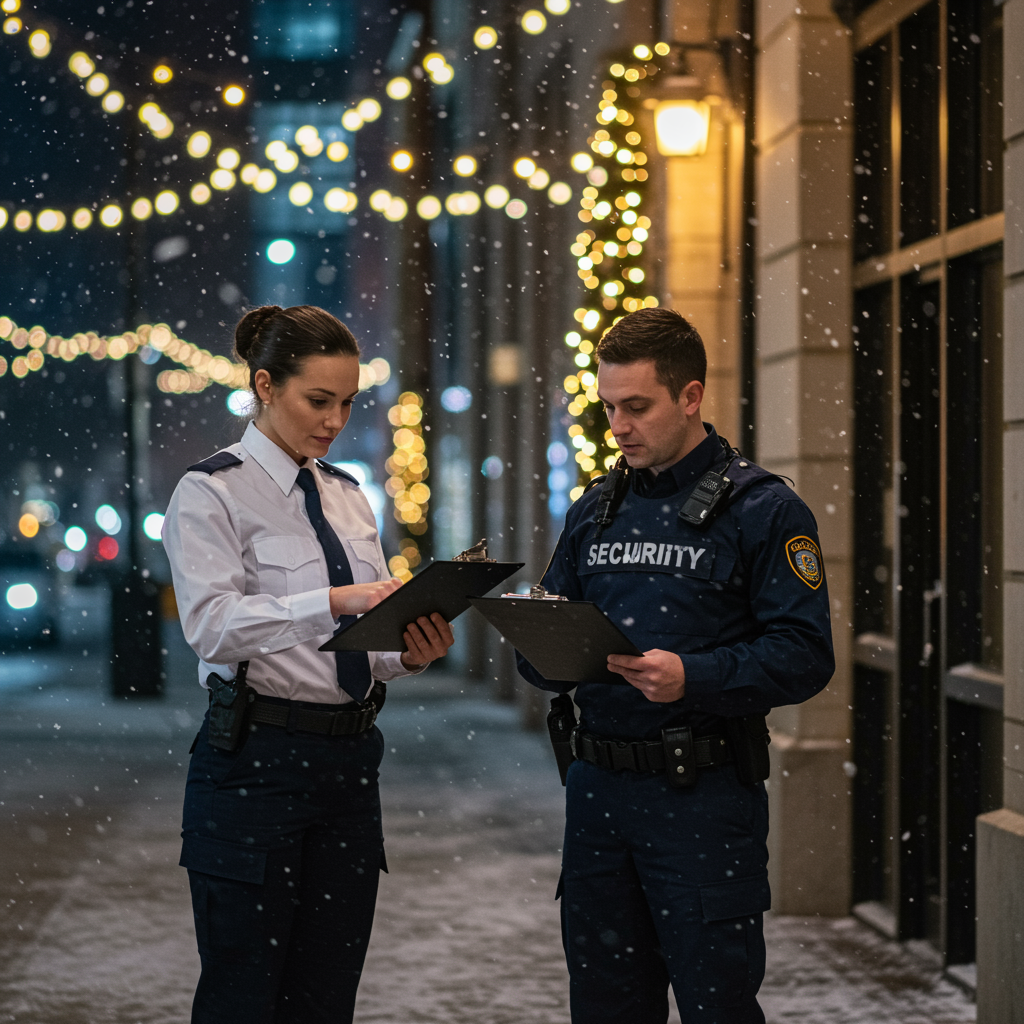
- Review patrol and monitoring reports
A structured reopening process helps identify issues early and ensures a smooth return to business.
Final Thoughts
Christmas does not have to be a high-risk period for UK businesses. With careful planning, strong physical and cyber security measures, and professional support, you can protect your premises while enjoying peace of mind over the festive break.
Speak to us about a tailored festive security plan for your business and know you are in the safest hands this Christmas.
Useful Resources
Office for National Statistics crime data
Birmingham Community Safety Partnership’s Guide for a Safe Christmas